The Use of Duloxetine Medication for Fibromyalgia Treatment: A Comprehensive Guide
Fibromyalgia is a chronic condition characterized by widespread pain, fatigue, and other debilitating symptoms. It affects millions of people worldwide, particularly women, and significantly impacts their quality of life. While there is no definitive cure for fibromyalgia, various treatment options aim to manage the symptoms and improve the patient’s daily functioning. One such treatment is duloxetine, a medication that has been approved for the treatment of fibromyalgia. In this blog post, we will explore the role of duloxetine in fibromyalgia treatment, its benefits, side effects, and how it compares to other treatment options.
What is Duloxetine?
Duloxetine, often known by its brand name Cymbalta, is a serotonin-norepinephrine reuptake inhibitor (SNRI) that is commonly prescribed for the treatment of depression, anxiety disorders, and chronic pain conditions like fibromyalgia. By increasing the levels of serotonin and norepinephrine in the brain, duloxetine helps to improve mood, alleviate pain, and restore a sense of balance in individuals suffering from chronic pain conditions.
Duloxetine works by regulating the chemical messengers in the brain that affect mood and pain perception. It has been shown to be effective not only for treating the emotional symptoms of fibromyalgia, such as depression and anxiety, but also for relieving physical pain and improving sleep quality, which are commonly associated with the condition.
Duloxetine and Fibromyalgia: How Does It Work?
Fibromyalgia is believed to result from an abnormal response to pain signals in the brain and spinal cord. The body’s pain processing systems become sensitized, leading to exaggerated pain perception. Duloxetine helps to manage this by affecting neurotransmitters that play a crucial role in pain modulation. By inhibiting the reuptake of serotonin and norepinephrine, duloxetine enhances their levels, which in turn can improve pain tolerance and reduce the severity of pain in people with fibromyalgia.
Benefits of Duloxetine for Fibromyalgia Treatment
Duloxetine has been proven to offer multiple benefits for those suffering from fibromyalgia:
-
Pain Relief: One of the primary reasons duloxetine is prescribed for fibromyalgia is its ability to reduce chronic pain. Studies have shown that duloxetine can help reduce the intensity of pain and improve overall comfort in fibromyalgia patients.
-
Improved Sleep: Fibromyalgia is often associated with disrupted sleep patterns due to pain and discomfort. Duloxetine has been shown to improve sleep quality in fibromyalgia patients, allowing them to feel more rested and function better during the day.
-
Enhanced Mood: Depression and anxiety often coexist with fibromyalgia, and duloxetine’s dual action on serotonin and norepinephrine levels can help improve mood and reduce feelings of sadness and anxiety. This can lead to improved overall wellbeing.
-
Reduced Fatigue: Fatigue is another common symptom of fibromyalgia, and duloxetine can help to alleviate feelings of tiredness, making it easier for patients to engage in daily activities.
-
Improved Functionality: By managing pain and improving mood, duloxetine enables people with fibromyalgia to engage more fully in daily activities, leading to a better quality of life.
How Effective is Duloxetine for Fibromyalgia?
Clinical studies have demonstrated that duloxetine is an effective treatment for fibromyalgia. A 2010 study published in The Journal of Pain found that duloxetine significantly reduced pain levels and improved function in individuals with fibromyalgia. Other studies have confirmed these findings, indicating that duloxetine not only relieves pain but also reduces the impact of fibromyalgia on sleep and daily activities.
The efficacy of duloxetine varies from person to person. Some individuals may experience significant improvements in pain management, while others may not see the same level of benefit. However, the overall consensus is that duloxetine is one of the most effective medications available for managing fibromyalgia symptoms.
Dosage and Administration of Duloxetine for Fibromyalgia
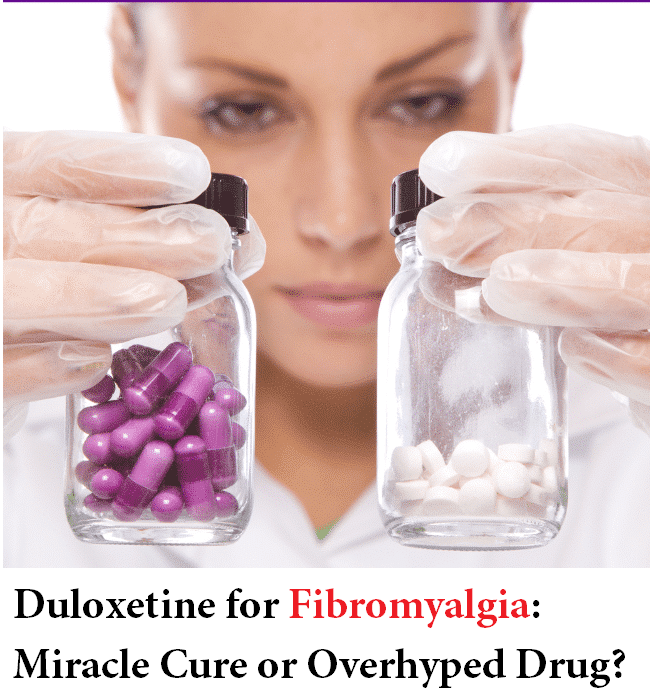
Duloxetine is typically taken in the form of a capsule. The starting dose for fibromyalgia treatment is usually 30 mg per day, and the dosage may be gradually increased depending on the individual’s response to the medication. The maximum recommended dose is 60 mg per day. It’s important to follow the prescribed dosage and consult a healthcare provider before making any adjustments.
It’s recommended to take duloxetine with food to reduce the risk of gastrointestinal side effects. Additionally, duloxetine should be taken at the same time each day to help establish a routine and ensure consistent medication levels in the body.
Side Effects of Duloxetine
Like any medication, duloxetine comes with potential side effects. While many individuals tolerate duloxetine well, others may experience adverse reactions. Some common side effects of duloxetine include:
-
Nausea: A frequent side effect, particularly when starting the medication.
-
Dry Mouth: Duloxetine can cause a dry mouth, which can be uncomfortable for some users.
-
Dizziness: Some individuals may experience dizziness or lightheadedness, especially when standing up quickly.
-
Fatigue or Sleepiness: Some individuals may feel excessively tired or drowsy.
-
Loss of Appetite: A decrease in appetite can occur in some patients, which may lead to weight loss.
-
Increased Sweating: Excessive sweating is another potential side effect of duloxetine.
Serious side effects are less common but can include liver problems, low sodium levels, suicidal thoughts, and increased blood pressure. It is important to contact a healthcare provider if any severe side effects occur or if symptoms persist.
Who Should Not Take Duloxetine?
Duloxetine is not suitable for everyone. People who have the following conditions should avoid duloxetine:
-
Liver disease: Duloxetine is metabolized in the liver, so individuals with liver problems should not take it.
-
Kidney problems: People with severe kidney problems should consult their doctor before taking duloxetine.
-
Glaucoma: Duloxetine may increase the risk of narrow-angle glaucoma.
-
Severe depression or suicidal tendencies: Duloxetine can increase the risk of suicidal thoughts and should be used with caution in individuals with severe depression.
Pregnant or breastfeeding women should consult their healthcare provider before taking duloxetine, as the medication may not be safe for use during pregnancy or lactation.
Comparing Duloxetine with Other Fibromyalgia Treatments
While duloxetine is an effective treatment for fibromyalgia, it is not the only option available. Other common treatments include:
-
Antidepressants: Other medications in the antidepressant class, such as amitriptyline, can also be used to manage fibromyalgia symptoms, particularly pain and sleep disturbances.
-
Anti-seizure drugs: Medications like pregabalin (Lyrica) and gabapentin can help with pain management in fibromyalgia patients.
-
Pain relievers: Over-the-counter medications like acetaminophen and ibuprofen may offer temporary relief from mild fibromyalgia pain.
-
Physical therapy: In addition to medication, physical therapy can be beneficial for fibromyalgia patients, helping to improve flexibility, reduce pain, and enhance overall functionality.
Conclusion: Is Duloxetine Right for You?
Duloxetine is a well-established treatment option for fibromyalgia that has been proven to help reduce pain, improve mood, and enhance overall functionality. While it is not a cure for fibromyalgia, it plays a significant role in managing symptoms and improving quality of life for many patients.
As with any medication, it is important to consult with a healthcare provider to determine if duloxetine is the right choice for your specific needs. Your doctor will assess your individual symptoms, medical history, and potential interactions with other medications before prescribing duloxetine.
If you are living with fibromyalgia and have not found effective symptom relief, duloxetine may be worth considering as part of your treatment plan. Together with lifestyle changes and other treatment modalities, duloxetine can help you manage fibromyalgia and take back control of your life.